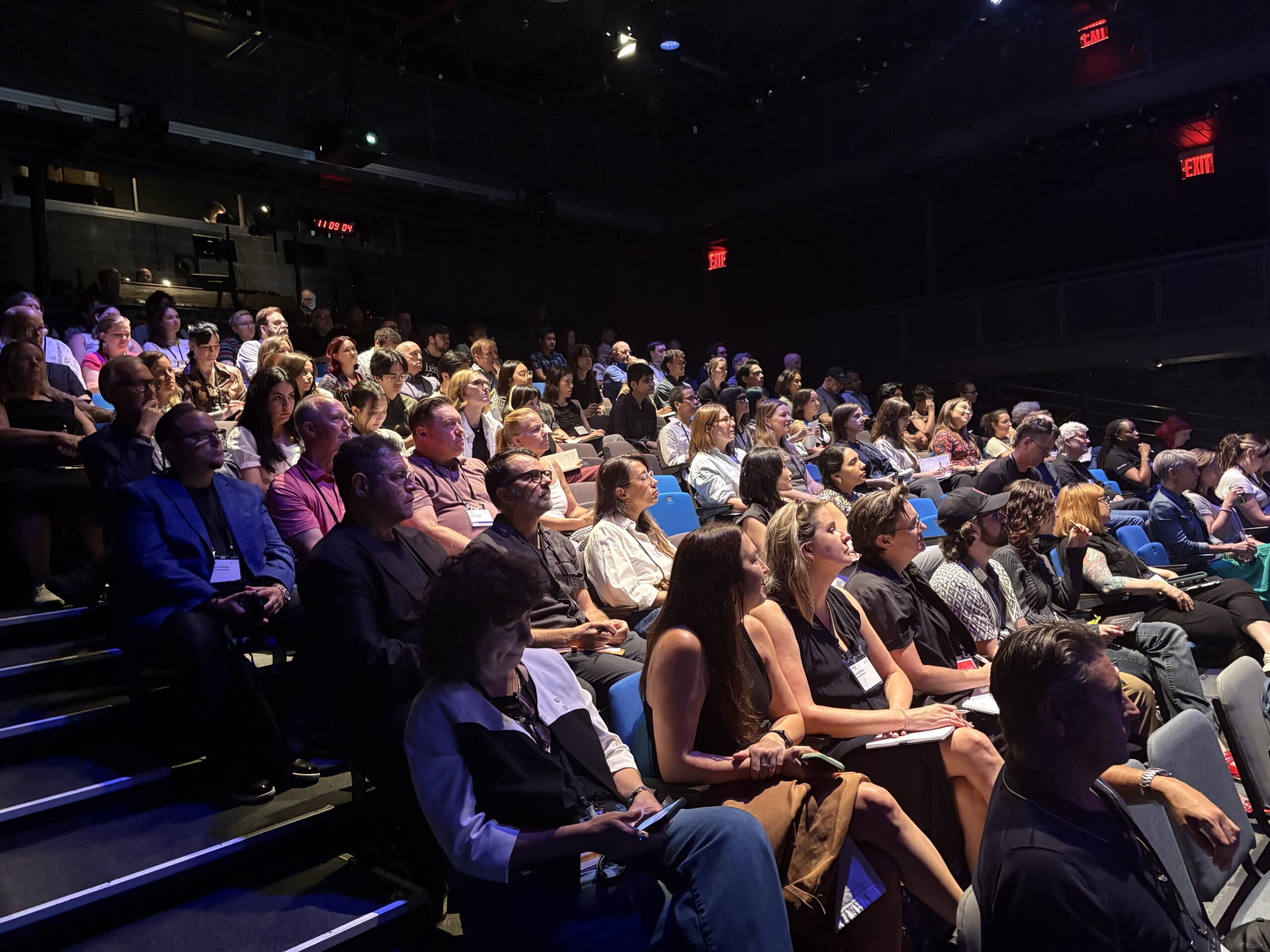
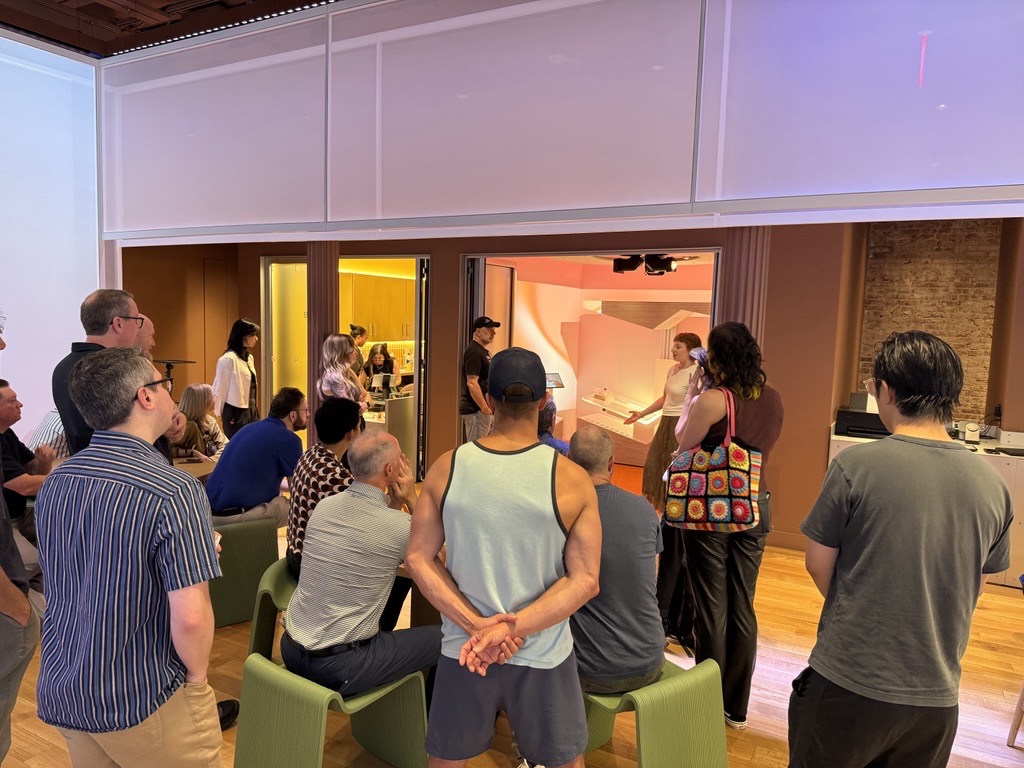
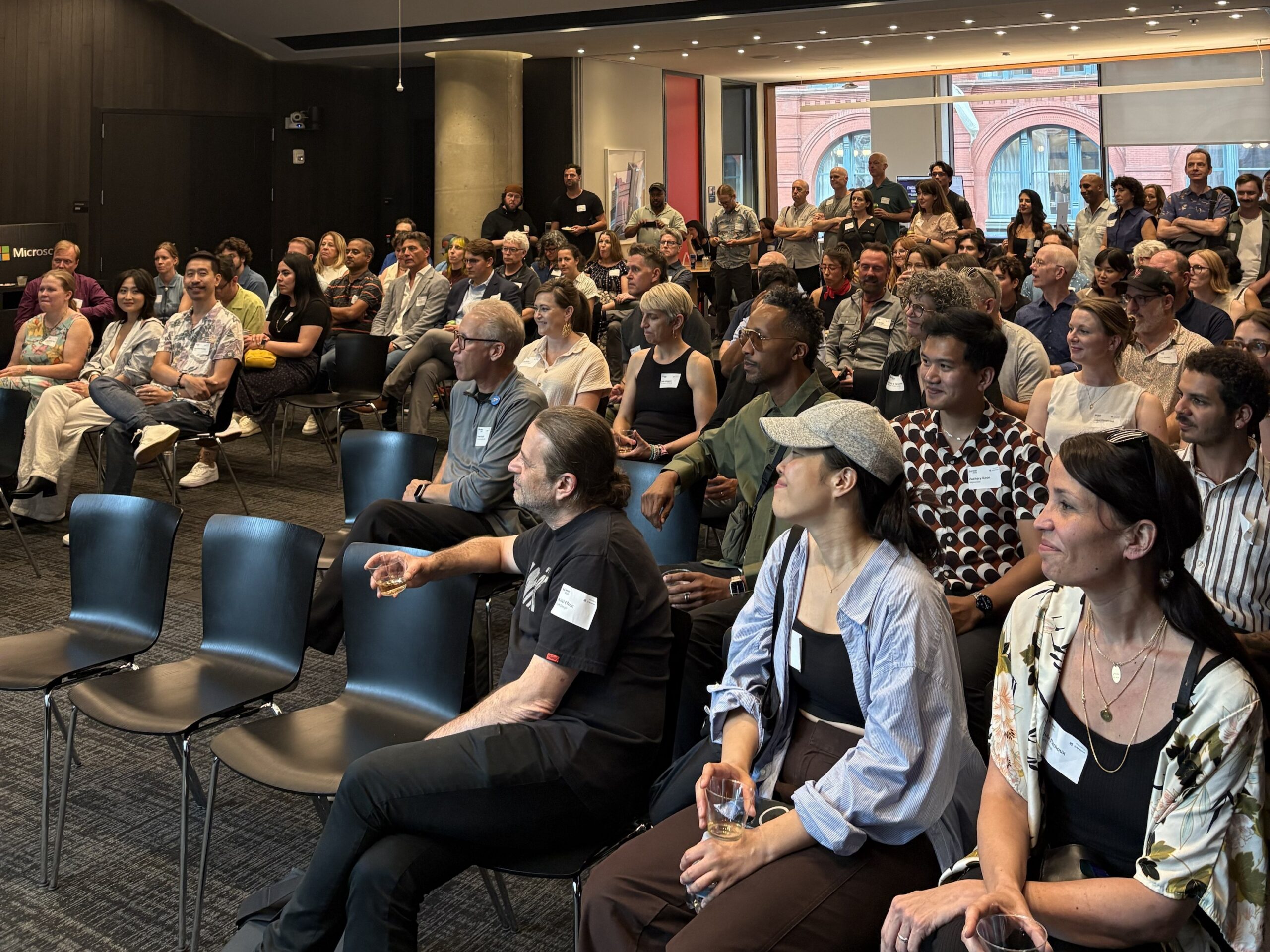
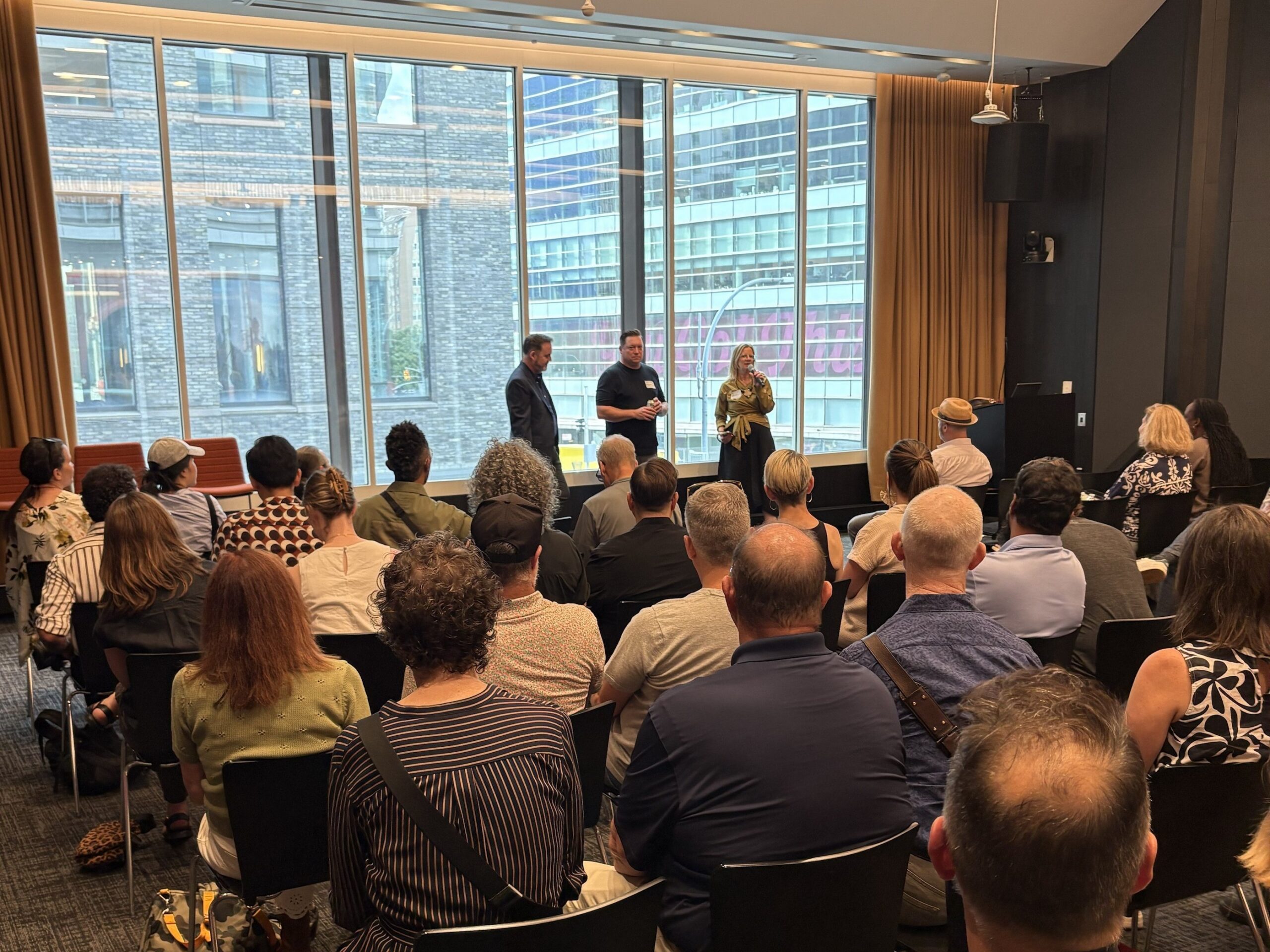
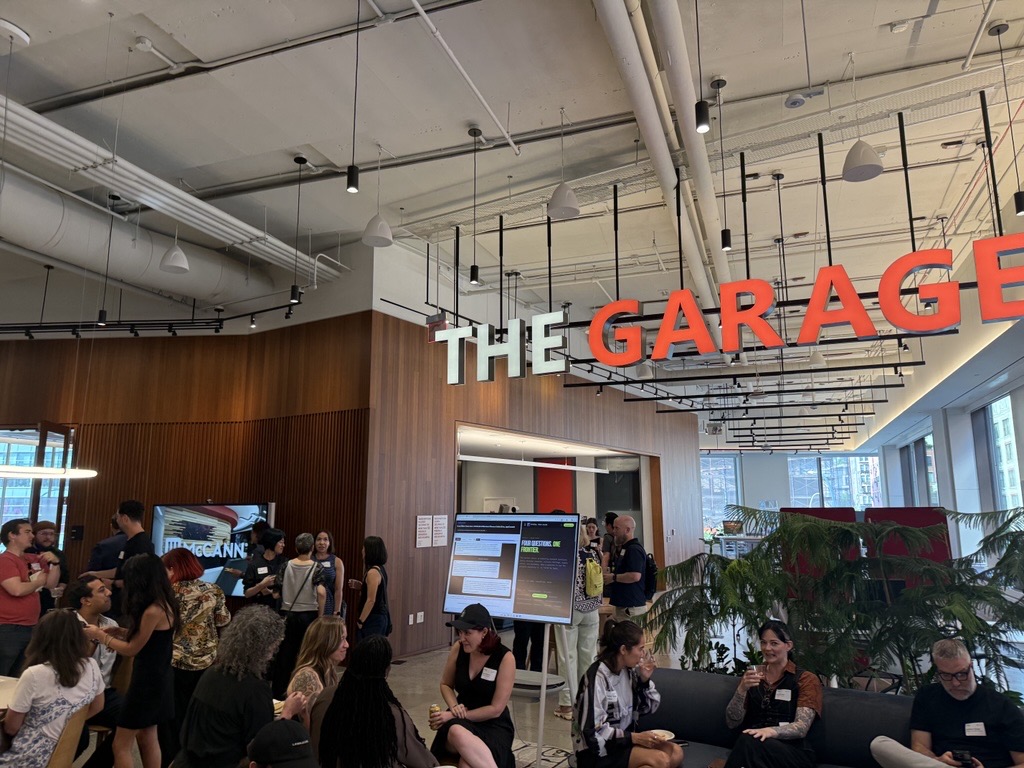
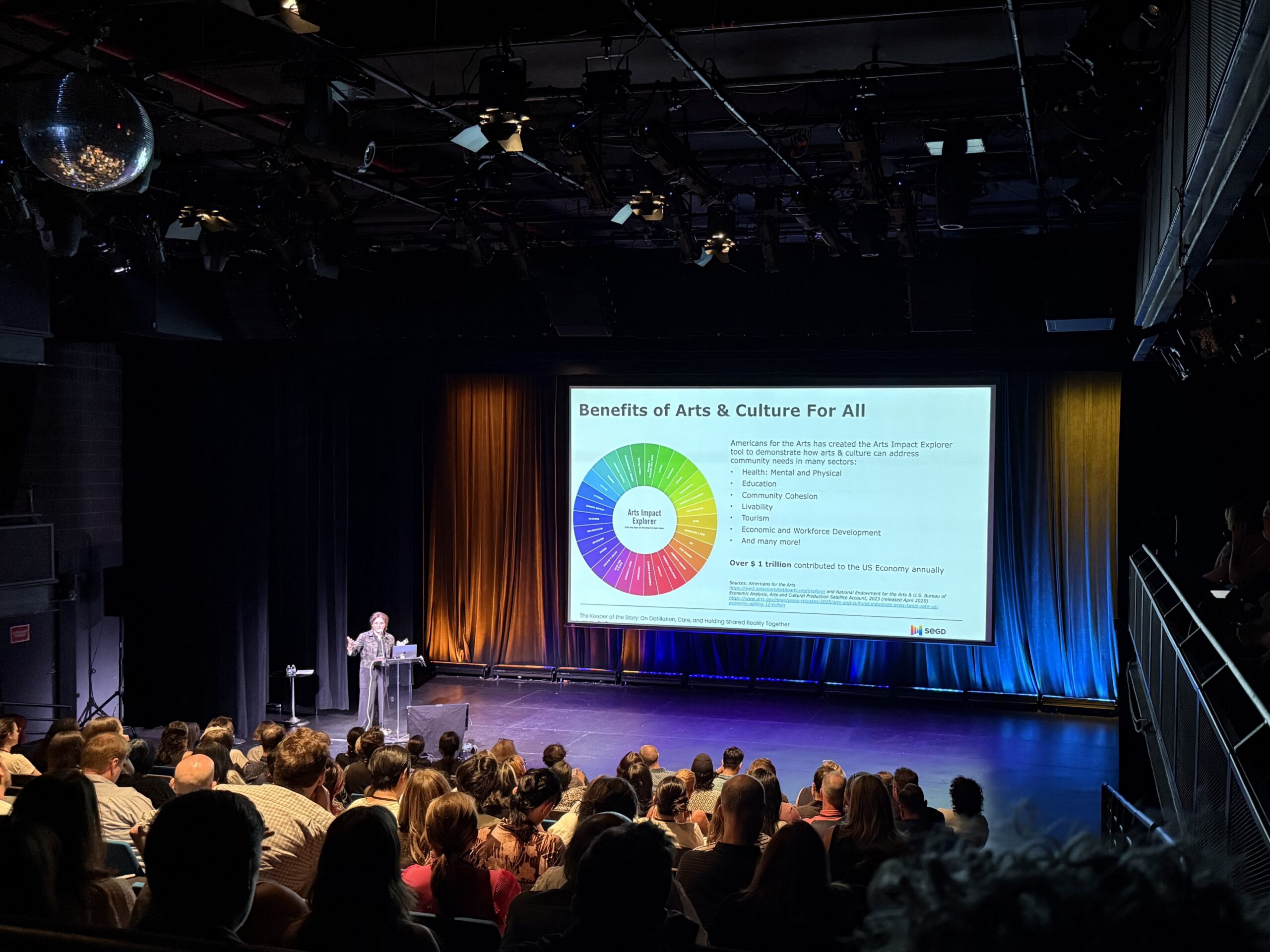
As proud members and sponsors of SEGD (the Society for Experiential Graphic Design) Nanolumens recently sent a contingent of display experience experts to the annual SEGD Xlab symposium to participate in valuable and honest conversations around what it means to create meaningful experiences today. We joined the community of designers, architects, technologists, artists, strategists and storytellers in New York to reflect, experiment and discuss new and emerging ideas and trends. Here are some of the key things we noticed:
Design Joy
Dana Michaelis, who delivered Nanolumens’ presenting sponsor address, and Nanolumens CRO Kurt DeYoung both felt that one theme shone brightly throughout the event: that positive, memorable experiences matter most in today’s design. In a world too often riddled with turmoil, design experiences that evoke a sense of joy stand out. The most successful environments don’t simply communicate; they engage, inspire, and create meaningful connections between people and place. Designers must facilitate optimism. And it’s not just about making spaces more visually impressive, but also more responsive, more human and more impactful. Creating spaces people remember fondly and want to return to is paramount and can provide both cultural and financial opportunities.
With regard to displays, they’re no longer merely tools for practical information sharing. Instead experiential environments are increasingly including immersive LED technology as part of broader designs that help to create connection, optimism, and joy. In our 20 years helping people design experiences using our display technology, some of the most joy-inducing environments have featured displays with content that is more colorful, bigger, brighter, higher resolution and often non-traditionally shaped.
The 200+ ft2 cone-shaped “Oculus” display at Houston’s George Bush Intercontinental Airport, which features customized Nanolumens Nixel Series displays, is a prime example of a memorable environment that encourages positivity through color, size and shape. Recently, when security lines were hours long due to TSA challenges, people waiting in queue beneath the display noted that the waiting times felt shorter and were much more tolerable thanks in large part to how enthralling it was to watch incredible content on such a unique display.
Team > Tech
Another, somewhat related insight our experts took home from XLab is that human connection is the premium asset both in the end result and the process of bringing a design to life. While displays need to perform excellently, what matters just as much is that there’s a team of people behind those displays who willingly collaborate with designers to realize their vision. The right display project team can help the designer create spaces that weave in displays rather than requiring designers to change their vision to accommodate displays. Good collaboration is what makes great design experiences real.
Lastly, it was clear throughout the event that experiential design is expanding across industries. The intersection of experience and a wide variety of vertical markets continues to evolve and become more relevant as organizations aim to stand out.